
WoW: Forever Deep Dive recap: camping, Legacy, rulesets and more
At BlizzCon, four developers of World of Warcraft: Forever took the stage for a Deep Dive panel. The big idea: Azeroth itself is the main character, and the game is built around chance meetings on the road, around a campfire or in a dungeon. Here is what they showed.
Camping and professions
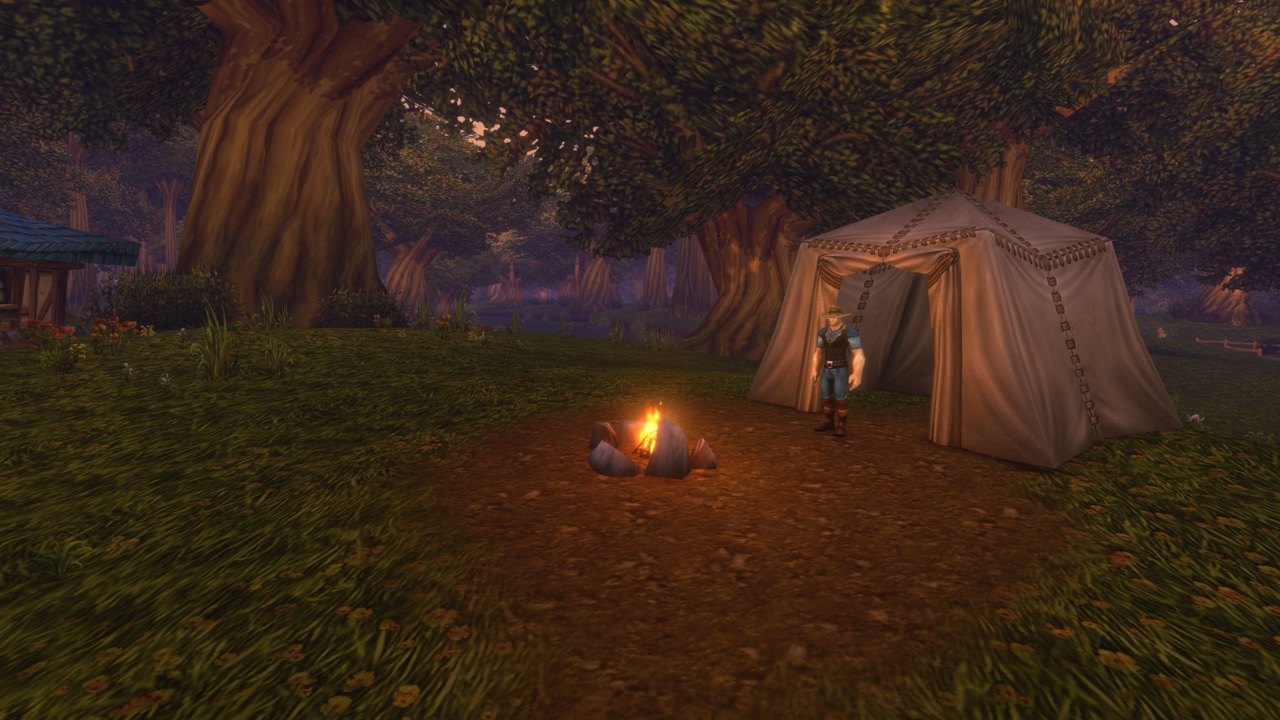
The simple Cooking Fire becomes a Basic Campfire. Placing one creates a campsite where you can rest, repair, use vendors and profession workspaces, and pick up one-hour buffs. You do have to sit down for a moment and get rested before the buffs apply, which makes it a natural place to stop together.
- Up to three players nearby can each add one crafted object to a campfire. Every profession has its own buff: a Blacksmith's Sharpening Wheel adds Attack Power, a Tailor's Faction Banner adds Spirit, an Herbalist's Incense Candle adds Intellect. These do not stack with similar class buffs.
- You learn your first camp object at skill 20. Better ones come from Blueprint recipes that drop from dungeon bosses.
- Cooks can learn bigger campfires that hold 5 or 10 objects.
- Professions get over 600 new recipes, and crafted food can now also give a small experience bonus.
Pick your campsite with care: not every corner of Azeroth is a quiet place to sit down.
The Legacy System
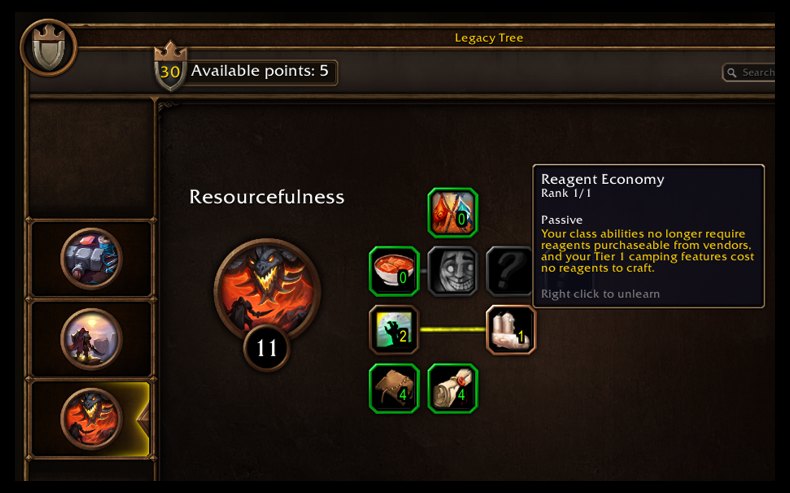
An account-wide progression system that rewards leveling alts and exploring everything, without making anyone stronger than a new player can catch up with. We wrote a separate article about it with all the details.
Also worth knowing: Forever uses the Burning Crusade approach to mounts. The cost moves into riding training, and you get a mount when you learn to ride.
Realmless, with rulesets
No more realm list. You choose a ruleset that fits how you like to play, and everyone on that ruleset plays in the same large world:
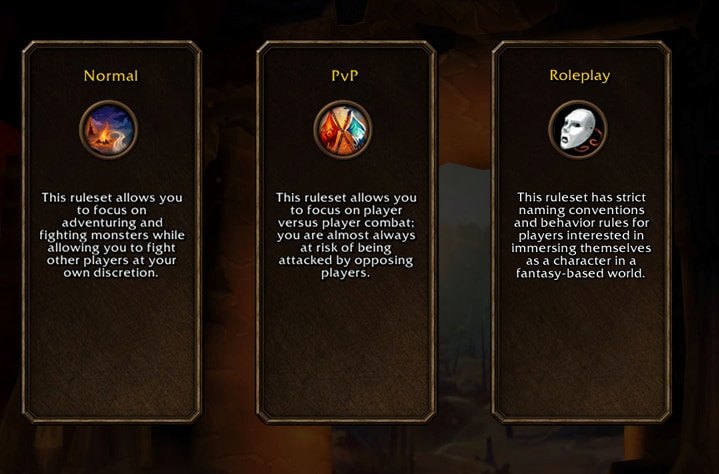
- Normal: cooperative play, PvP only when both sides agree.
- PvP: every trip into contested territory is dangerous.
- Roleplaying: for players who want to lean into the fantasy.
- Hardcore: arrives after launch. One life. A Hardcore character that dies can move to another ruleset.
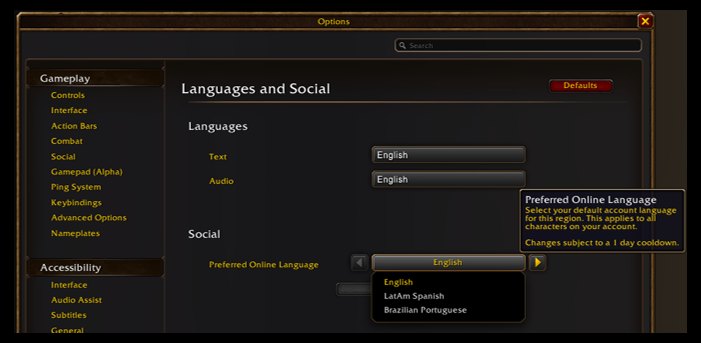
You can only group, run dungeons and raid with players on the same ruleset, and the factions stay separate. Collections and Legacy Points are shared across rulesets, except that progress does not flow into Hardcore. Names are two-part and unique per region, and you can set a language preference so you meet players who speak your language.
Transmog, your choice
Transmog exists, but you can switch it off completely at a transmogrifier in the cities. Then you see everyone in the gear they actually wear. If you pick Classic Mode on first launch, it starts switched off. You keep collecting appearances either way.
- Uncommon and rare dungeon drops give their appearance to every eligible player in the group, so nobody needs to roll just for the looks.
- Epic raid drops only give the appearance to the player who gets the item.
- Plate stays plate and cloth stays cloth. High-level looks unlock at level 60.
Combat and items
Combat keeps the pace of Classic: a normal mob takes about 10 to 15 seconds to kill solo, crowd control matters in dungeons, and threat still counts. Items get a big rework:
- Spell, melee and ranged hit are one stat, the same goes for critical strike chance. Great news for hybrids like Enhancement Shaman.
- Weapon skill items give less per item, and bonus healing also gives one third as much bonus damage for questing healers.
- New stats, caster weapons with spell power while leveling, more interesting trinkets, and hundreds of new drops. Unique dungeon boss items are now blue and set bonuses are better.
Races and classes
Every race now has two active and two passive racial abilities with similar power. For the Horde, Undead get a stronger kit: Cannibalize now restores mana too, and Touch of the Grave drains health with your attacks. New combinations include the Orc Mage, Troll Warlock and Undead Paladin.
Talent trees keep their familiar shape, with a new milestone talent at 16 points. Key buffs like Divine Spirit and Improved Mark of the Wild become baseline.
A closer look at Paladins
With the Undead Paladin new for the Horde, this part matters to us:
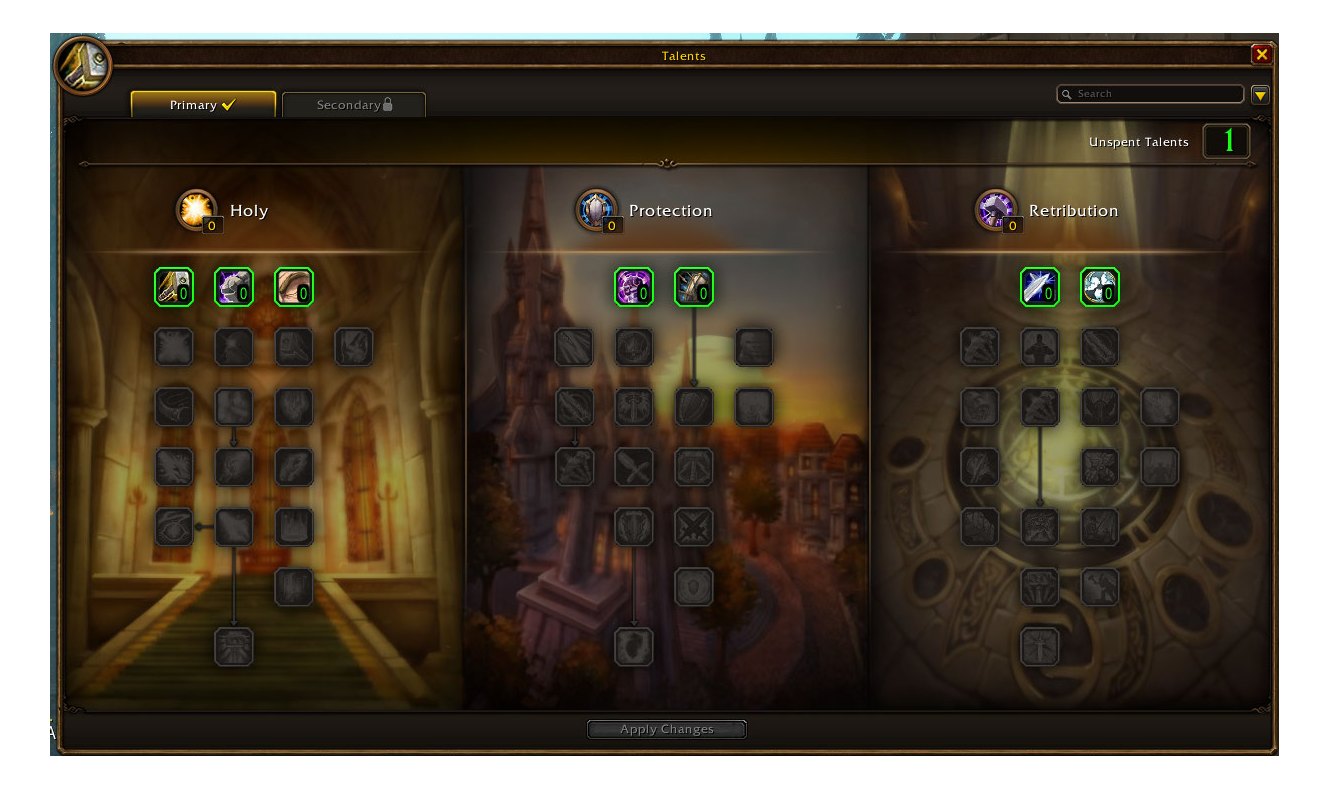
- All Paladins: Holy Strike at level 6, Seals are no longer used up by Judgment, and Consecration is baseline at 20.
- Protection: Seal of Fury makes Judgment taunt, plus new ways to keep mana up and recover from a missed taunt.
- Holy: more varied healing with Infusion of Light, Holy Shock on a 10 second cooldown, and a big cooldown called Light's Vigil.
- Retribution: a stronger melee identity, and Twist of Light makes seal twisting possible without addons.
Paladins still have no interrupt and no slow, so they keep their own strengths and weaknesses.
Source: Blizzard's full article at https://worldofwarcraft.blizzard.com/en-us/news/24303313/world-of-warcraft-forever-deep-dive-panel-recap
Images and video: Blizzard Entertainment.